10 Lists of Adjectives for Kids: Building Language Skills
Learning about adjectives is vital for kids. Discover why adjectives are important for building language skills and fun ways to help your child learn them.


Discover how your 6-year-old is expanding their curiosity, confidence, and creativity—and explore expert advice to help them thrive in school and beyond.

Learning about adjectives is vital for kids. Discover why adjectives are important for building language skills and fun ways to help your child learn them.

Make reading fun for kids with activities like book nook, bookmarks, story highlights, and reading club. Check out even more tips to encourage reading.

Benefits of homeschooling include its freedom and flexibility, though parents should consider the financial implications and the possibility of burnout.

Choose a homeschool curriculum based on your child’s learning style, needs, and passions; your teaching style; the kind of experience you want; and more.

“Would You Rather” questions build creativity and curiosity. They get kids thinking about themselves and the world. Here are 200 questions to ask your child.

Teaching your child to manage their time by organizing responsibilities reduces stress, builds focus and confidence, and sets them up for success.

Inventing new things helps kids develop creativity and critical thinking. Try these invention ideas from the experts at Begin!

What grade are 9-year-olds? What about 15-year-olds? If you’re curious about the standard age/grade correlation in the US, this will answer your questions.

A root word is the most basic form of a word and its primary meaning. Discover more about root words, when kids learn them, and examples.

How your child gets ready for bed makes a big difference in how they sleep. Discover tips to create a calm and peaceful bedtime routine.
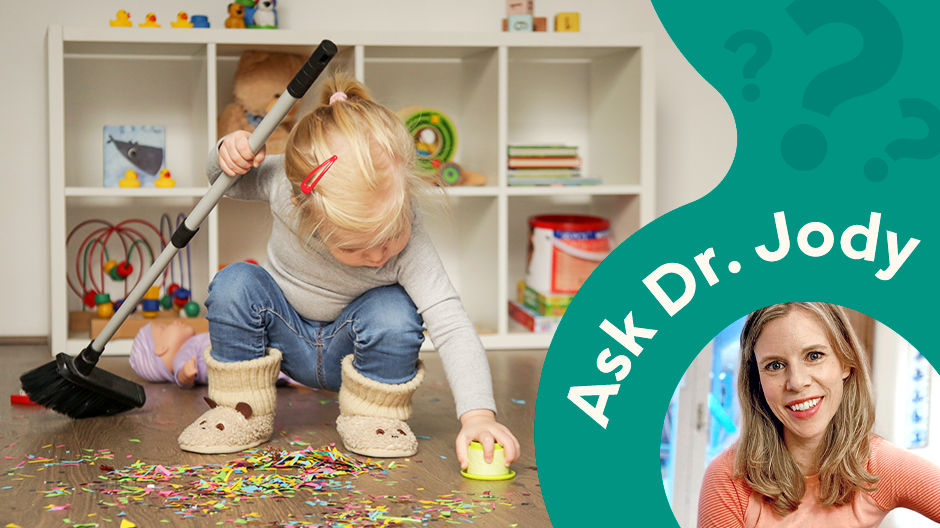
Participating in household chores gives your child a sense of responsibility and community at any age. Choose age-appropriate chores to help them succeed.

Deal with temper tantrums by taking steps like anticipating triggers, teaching self-soothing techniques, and not giving in.