10 Lists of Adjectives for Kids: Building Language Skills
Learning about adjectives is vital for kids. Discover why adjectives are important for building language skills and fun ways to help your child learn them.

The essentials for school and life, like reading, writing, math, and physical milestones like learning to tie shoes
Learning about adjectives is vital for kids. Discover why adjectives are important for building language skills and fun ways to help your child learn them.


Boost your child’s vocabulary by helping them learn words that start with the letter C. This guide is full of fun facts and activities for kids.

Boost your child’s vocabulary by helping them learn words that start with the letter A. This guide is packed with fun facts and engaging activities for kids.

Memorizing multiplication tables doesn’t have to be a chore. This guide offers tips for parents to help their kids learn to multiply quickly.

Math word problems for kids ages 6–8! Build problem-solving, reasoning, and real-world math skills with fun story-based challenges.

Telling time activities for kids ages 6–8! Practice reading clocks, writing times, and building number sense with fun real-world math learning.

Dice addition for kids ages 5–7! Count and combine dice to build number sense, subitizing, and confidence with fun early math practice.

Dialogic reading is an interactive read-aloud technique for building language and literacy skills. Here are the prompts you can use with your child.

Reading comprehension is being able to understand and make meaning from a text. Here are some ways to support your child as they learn this important skill.
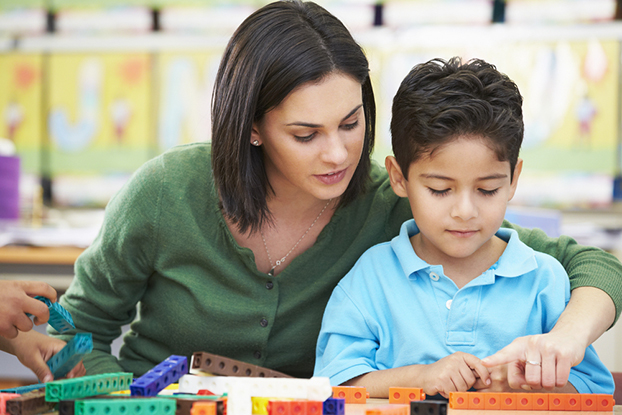
Second grade math skills include place value, addition and subtraction, probability, and geometry. Try these activities at home to help your child learn.

Here are activities to help you teach your child 5 components of reading, which include phonemic awareness, phonics, fluency, comprehension, and vocabulary.

Reading activities are a great way to teach reading because they can reinforce and improve literacy skills. Here are some fun, hands-on ideas to try.
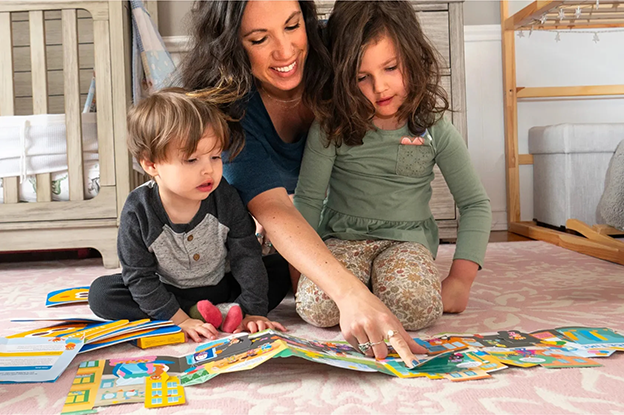
Helping your child with their kindergarten reading comprehension skills sets them up for successful reading. Here are some strategies and tips to try.